

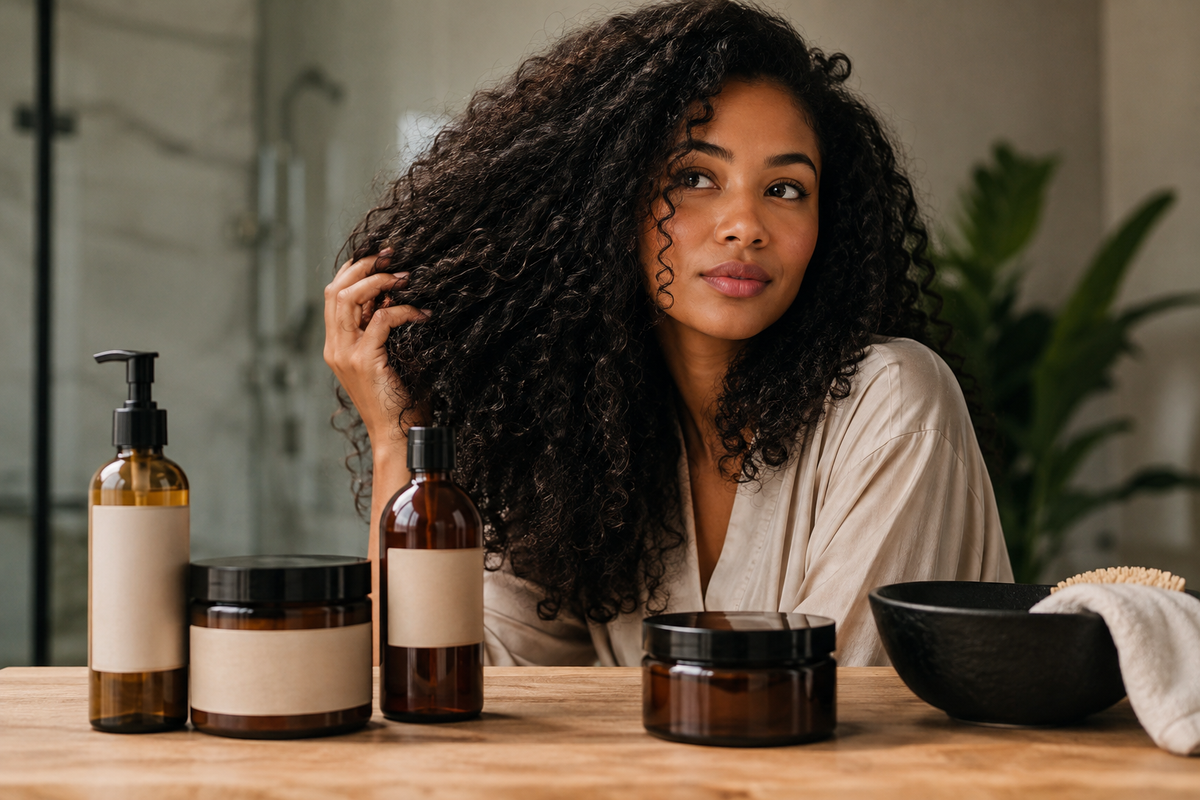
Why Thick Hair Needs Different Products
- Thick Hair is a Blessing, But Only If You Care For It Correctly;
- What Makes Thick Hair Different?
- The Benefits of Thick Hair
- The Challenges of Thick Hair
- Why Thick Hair Needs Different Products
- How to Properly Care for Thick Hair
- What NOT to do with Thick Hair
- The Best Routine for Thick Hair
- Final Thoughts
Thick Hair is a Blessing, But Only If You Care For It Correctly;
For many people, thick hair is the ultimate hair goal. It looks luxurious, holds styles beautifully, and often appears healthier than finer hair. But after more than three decades behind the salon chair, I've learned that thick hair comes with its own unique challenges. In fact, many people with thick hair unknowingly damage it by using products designed for completely different types.
The biggest misconception is that thick hair is "strong enough" to handles anything. The reality is quite the opposite. Thick hair requires a different balance of hydration, cleansing, conditioning, and styling because there's simply more t nourish, protect, and manage.
Once you understand what thick hair actually needs, your daily routine becomes easier, your hair becomes healthier, and styling takes far less effort.
What Makes Thick Hair Different?
Thick hair usually means you either have: A high density of hair strands, a larger individual hair strands or both. More hair means, more of the surface area to keep moisturized, more friction between strands, longer drying times, greater product needs, increased opportunity for tangles, and more exposure to environmental damage. Simply put, thick hair requires products that work harder without creating heaviness or buildup.
The Benefits of Thick Hair
Thick hair has many natural advantages when it's properly cared for.
Incredible Volume: Many people spend years trying to achieve the fullness that naturally comes with thick hair. With the right haircut and products, thick hair creates beautiful movement and body.
Better Style Retention: Curls, waves, blowouts, and textured styles often last longer because thicker hair provides more structure and support.
More protection: Dense hair naturally helps shield the scalp from sun exposure while providing insulation during cold weather.
Greater styling versatility: Whether you want sleek, polished styles or soft beach waves, thick hair offers endless styling possibilities.
Fuller appearance over time: As we naturally lose hair with age, thicker hair often continues looking full for much longer than finer hair.
The Challenges of Thick Hair
Despite its beauty, thick hair comes with frustrations that many people know all too well.
Dry Ends; Natural scalp oils struggle to travel from roots to ends because they have much more hair to coat. As a result, thick hair frequently develops dry, rough ends.
Frizz; Without enough hydration, the outer cuticle lifts, allowing moisture from the air to enter the hair shaft. This leads to swelling, puffiness, and unwanted frizz.
Longer Drying Time; More hair equals more retained water. Thick hair can take twice as long - or longer to air dry or blow dry compared to fine hair.
Heavy Product Buildup; Many styling creams, oils, and conditioners accumulate between dense strands, causing hair to feel dull, sticky, or weighed down.
Tangles and Knots; The greater number of strands creates more opportunities for friction, making tangles especially common after sleeping, swimming, or exercising.
Hidden Scalp Issues; Because thick hair hides the scalp so well, dryness, oiliness, dandruff, or irritation may go unnoticed until they become significant problems.
Why Thick Hair Needs Different Products
Products made for fine hair often prioritize lightweight volume over hydration. Products designed for thick hair should focus on; deep hydration, moisture retention, frizz control, protecting your cuticle, flexible softness, scalp health, and manageability without stiffness. The goal isn't simply making thick hair softer, it's creating balance.
When thick hair has enough moisture, it naturally becomes shiner, smoother, easier to brush, and much more manageable.

How to Properly Care for Thick Hair
- Focus on Hydration: Hydration should always be your foundation. Look for nourishing ingredients like; aloe vera, bamboo extract, coconut oil, argan oil, natural proteins, and plant-based butters. Healthy hydration reduces breakage while imp roving elasticity and shine.
- Cleanse the Scalp Thoroughly: Because thick hair traps oils, sweat, styling products, and environmental pollutants, cleansing the s calp thoroughly is essential. Massage shampoo directly into the scalp rather than simply washing the surface of your hair. Healthy hair begins with a healthy scalp.
- Condition Every Wash: Conditioner helps smooth the cuticle, reduce tangles, and replenish moisture lost d u ring cleansing. Apply primarily from mid-lengths to ends where hydration is needed most.
- Use Weekly Deep Treatments: A weekly repair treatment restores moisture, strengthens the hair fiber, and improves elasticity. Think of deep conditioning as preventative maintenance rather than a repair after damage occurs.
- Protect Before Heat Styling: Thick hair often requires more heat because there's simply more hair to style. Always apply a heat protectant before blow-drying, curling, or straightening to reduce moisture loss and cuticle damage.
- Choose Flexible Styling Products: Avoid products that leave hair stiff or crunchy. Instead, select lightweight creams, smoothing lotions, or texture enhancing products that allow natural movement while controlling frizz.
What NOT to do with Thick Hair
Daily shampooing often strips away the natural oils thick hair desperately needs. Most people with thick hair benefit from washing two to three times per week, adjusting based on activity level and scalp condition.
Don't Skip Conditioner: Skipping conditioner usually leads to increased frizz, knots, and breakage.
Don't Use Excessive Heat: Turning your flat iron or blow dryer to maximum temperature doesn't save time - it increases damage. Lower temperatures combined with patience produce healthier results.
Don't Apply Heavy Oils Everywhere: Applying oils directly to scalp can create buildup and leave hair feeling greasy. Concentrate nourishing oils on mid-lengths and ends where they're needed most.
Don't Brush Aggressively: Ripping through tangles causes unnecessary breakage. Use a wide tooth comb or a flexible detangling brush, beginning at the ends and working upward.
Don't Ignore Product Buildup: Dense hair hides residue surprisingly well. Occasional detoxing cleanse helps remove accumulated styling products, minerals, sweat, and environmental pollutants that can leave hair looking lifeless.

The Best Routine for Thick Hair
A simple routine often delivers the best long-term results. Consistency is far more effective than constantly switching products.
1] Gently cleanse the scalp
2] Hydrate with a nourishing conditioner
3] Apply a leave-in product for moisture and protection
4] Use a lightweight styling product suited to your desired finish
5] Add a weekly deep conditioning treatment
6] Detox periodically to remove buildup.
Final Thoughts
Thick hair is naturally beautiful, but it also demands thoughtful care. More hair means greater moisture needs, longer drying times, and a higher risk of tangles and product buildup. By choosing products formulated to hydrate, protect, and balance thick hair instead of simply controlling it, you can transform daily styling from a struggle into a simple, enjoyable ritual.
At Kind Sol Haircare, we believe healthy hair begins with understanding your unique hair type. Our natural, plant-based formulas are handcrafted to nourish both the hair and scalp, helping thick hair stay soft, hydrated, manageable, and resilient through every season. Whether you're embracing your natural texture or creating your favorite style, the right products make all the difference - and thick hair deserves products made specifically for its unique needs.

Leave a comment
This site is protected by hCaptcha and the hCaptcha Privacy Policy and Terms of Service apply.