

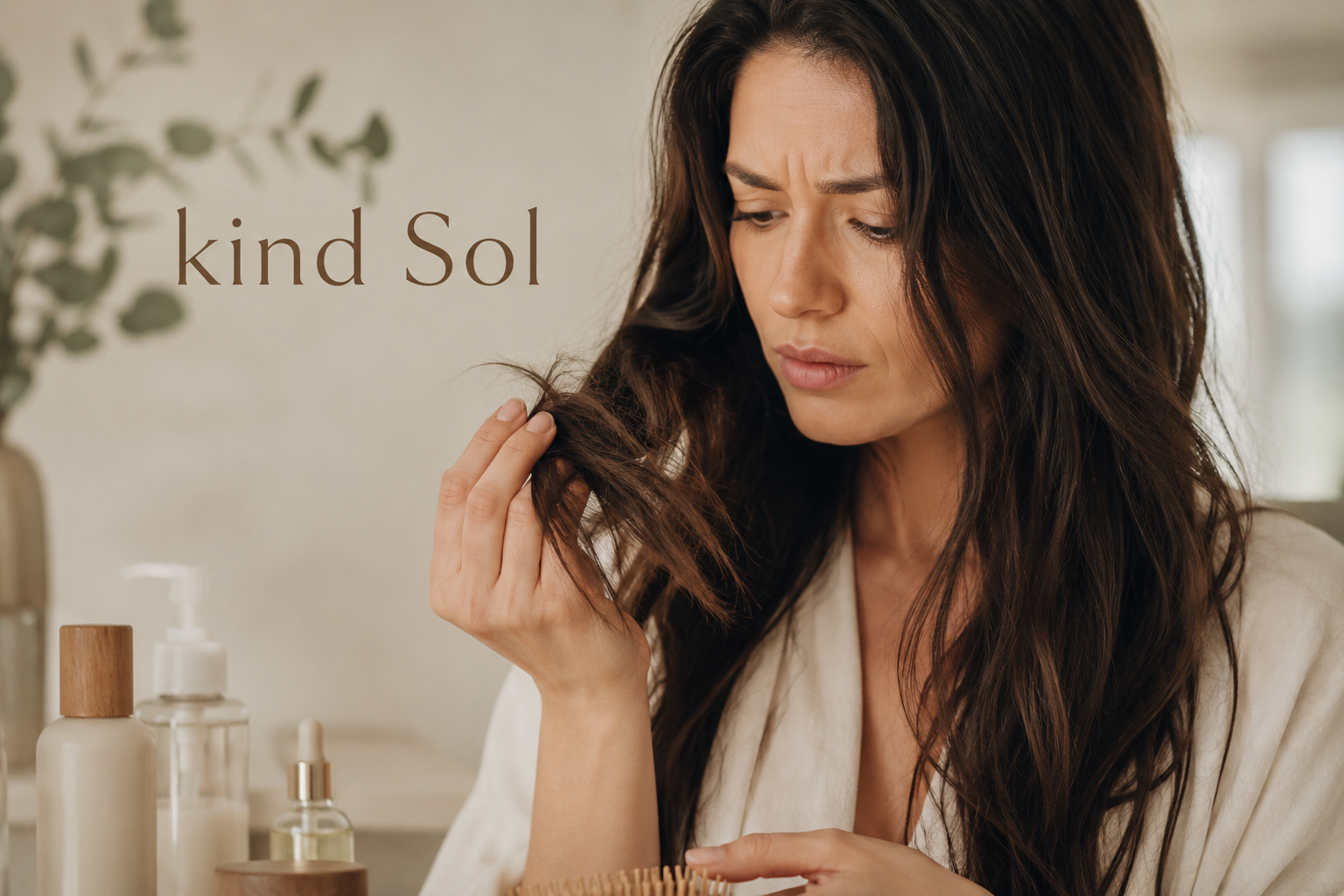
Why Is My Hair Thinning? The Real Causes of Hair Loss & What to Do About It
- Why Is My Hair Thinning? The Real Causes of Hair Loss & What to Do About It
- Hormonal Changes
- Stress
- Nutritional Deficiencies
- Heat Styling & Chemical Damage
- Tight Hairstyles
- Scalp Health
- Genetics
- Environmental Stressors
- What Can You Do About Hair Thinning?
- When Should You See a Healthcare Professional?
- Final Thoughts
Noticing more hair in your brush, shower drain, or on your pillow can be unsettling. Hair thinning doesn't usually happen overnight - it often develops gradually as a result of multiple factors working together. Hormonal shifts, chronic stress, poor nutrition, environmental damage, harsh styling practices, and scalp health all play a role in how healthy your hair grows. The good news is that understanding what's causing your hair to thin is the first step toward protecting the hair you have and creating the best environment for healthier, fuller-looking hair.
Why Is My Hair Thinning? The Real Causes of Hair Loss & What to Do About It
Hair naturally sheds every day. In fact, loosing around 50-100 hairs daily is considered normal as part of the natural growth cycle. However, if you're noticing increased shedding, a widening part, reduced ponytail thickness, or areas where your scalp is becoming more visible, it's worth taking a closer look at what may be contributing.
Hormonal Changes
Hormones are one of the most common reasons hairs begins to thin. Common hormonal causes include pregnancy and postpartum recovery, menopause and perimenopause, thyroid disorders, polycystic ovary syndrome (PCOS), and changes in testosterone or estrogen.
When hormones fluctuate, hair follicles may enter the shedding phase sooner than normal, leading to noticeable thinning several months later. Subscribe to kindsolhaircare.com so you don't miss our full expose` on women's hair health and hormonal changes this fall.
Stress
Physical or emotional stress can trigger excessive shedding, a condition known as temporary stress-related hair loss. Possible stressors include surgery, illness, high fever, emotional trauma, significant weight loss, or chronic anxiety.
The good news is that stress related shedding often improves once the body recovers, although it can take several months.
Nutritional Deficiencies
Healthy hair requires proper nutrition. Low levels of the following nutrients may contribute to thinning; iron, vitamin D, zinc, protein, vitamin b12, and essential fatty acids. If your diet has changed or you've been feeling fatigued along with hair thinning, it's worth discussing testing with a healthcare professional.
Heat Styling & Chemical Damage
Frequent exposure to; flat irons, curling irons. blow dryers, hair bleach, hair coloring, or chemical straightening can weaken the hair shaft, leading to breakage that often appears like hair loss. Reducing heat and using nourishing products can help minimize further damage.
Tight Hairstyles
Constant tension from tight ponytails, slick buns, braids, or hair extensions can lead to traction related hair loss over time. Changing hairstyles regularly and avoiding excessive pulling helps protect follicles.
Scalp Health
Healthy hair starts with a healthy scalp. A buildup of sweat, oil, dead skin, product residue, pollution, or hard water minerals may interfere with the optimal environment for healthy hair growth. Regular scalp cleansing and occasional detoxifying shampoo can help maintain a balanced scalp.
Genetics
For many people, hair thinning is inherited. Genetic hair loss can affect both women and men and often develops gradually over time. While genetics cannot be changed, early intervention may help slow progression and improve the appearance of fullness.
Environmental Stressors
Daily exposure to the elements can quietly damage both hair and scalp. These include UV rays, chlorine, saltwater, wind, air pollution, and hard water. Over time, environmental damage can weaken hair, increase dryness, and contribute to breakage.
What Can You Do About Hair Thinning?
While not every type of hair loss can be prevented, healthy habits can help support stronger, healthier looking hair.
Prioritize Scalp Care: A clean scalp supports healthy hair growth. Remove buildup regularly without over drying the scalp.
Be Gentle with Your Hair: Avoid aggressive brushing, excessive heat, and overly tight hairstyles that place unnecessary stress on the hair shaft and follicles.
Eat a Balanced Diet: Fuel your hair within by eating adequate protein, healthy fats, fruits, vegetables, and nutrient rich foods.
Manage Stress: Exercise, quality sleep, mindfulness, and stress management can benefit both overall wellness and hair health.
Protect Hair from Environmental Damage: UV exposure, chlorine, saltwater, and pollution can weaken hair over time. Wearing hats, rinsing hair after swimming, and using protective hair products can reduce damage.
Chose Nourishing Haircare: Look for shampoos and conditioners that gently cleanse while supporting hydration and strengthening the hair.
At Kind Sol Haircare, our small batch formulas are crafted with naturally derived ingredients like bamboo extract, aloe vera, coconut oil, flaxseed, and nourishing botanical ingredients that support heathier looking hair while protecting it from everyday environmental stressors. All products are sulfate and paraben free, no artificial coloring or toxic dyes, and cruelty free.
When Should You See a Healthcare Professional?
Seek medical advice if:
~ Hair loss is sudden or severe.
~ You notice bald patched or scalp irritation
~ Hair thinning continues for several months.
~ You experience fatigue, unexplained weight changes, or other symptoms alongside hair loss.
A healthcare professional can help identify underlying medical causes and recommend appropriate treatment.
Final Thoughts
Hair thinning is often caused by a combination of genetics, hormones, stress, nutrition, scalp health, and environmental exposure - not just one single factor. Understanding what's contributing to your hair changes allows you to make informed choices that support healthier hair overtime, consistent haircare, a healthy lifestyle, and protecting your hair from everyday stressors can make a meaningful difference in maintaining stronger, fuller looking hair.

Leave a comment
This site is protected by hCaptcha and the hCaptcha Privacy Policy and Terms of Service apply.