


The chemical reaction of Chlorine on the swimmer's hair.
Discover how Chlorine affects your hair, why it causes dryness, breakage, and brittle. This article prepares you for a summer at the pool with our expert tips to protect and repair Chlorine damaged hair.
A Professional Hairstylist's Guide to Protecting Your Strands.
As a professional hairstylist, I love when my clients embrace an active lifestyle ~ but one of the most common summer hair issues I see in my chair comes from the pool. That crystal clear water might look refreshing, but the Chlorine keeping it clean can wreak havoc on your hair. Many people assume the dryness they feel after swimming is normal, but what's happening beneath the surface is much more damaging. If you swim regularly - whether for exercise, fun, or relaxation - understanding how Chlorine affects your hair is essential for keeping your strands healthy, strong, and vibrant.
The hidden cost of a pool day.
Chlorine is a powerful disinfectant designed to kill bacteria and keep pools safe. The problem is, your hair isn't immune to its chemical effets.
What Chlorine Does to Your Hair
When hair is exposed to chlorinated water, Chlorine strips away the natural protective oils produced by your scalp. These oils normally keep hair flexible, moisturized, and resilient. Without them, hair becomes rough, porous, and far more vulnerable to damage.
Chlorine also raises the hair cuticle, the outer protective layer of the hair strand. When the cuticle lifts, it allows moisture to escape while making it easier for chemicals and minerals in the water to penetrate the hair shaft. The result? hair feels dry, tangled, dull, and difficult to manage.
The Damage Chlorine Causes & Why It Happens
Over time, repeated exposure to Chlorine can lead to several types of noticeable hair damage.
Extreme Dryness & Brittleness: Because Chlorine removes the scalp's natural oils, hair loses its moisture balance. Without proper hydration, the hair shaft becomes brittle and prone to snapping.
Increased Breakage: When the cuticle layer is weakened and lifted repeatedly, the internal protein structure of the hair becomes compromised. This leads to strands that break easily during brushing, styling, or even washing.
Color Fading: Chlorine is especially harsh on color treated hair. It accelerates color fading by oxidizing the artifical pigments in dyed hair.
Green Tint in Light Hair: Blondes sometimes notice a green tint after swimming. Contrary to popular belief, Chlorine itself isn't green, this discoloration comes from oxidized copper and minerals in the pool water that bind to the hair when the cuticle is open.
Scalp Irritation: Chlorine can disrupt the scalp's natural microbiome and moisture barrier, potentially leading to dryness, flaking, or irritation.

How to Prevent Chlorine Damage
The good news is that a few simple steps can make a huge difference in maintaining your hair health or hair follicle damage.
Saturate Hair with Clean Water Before Swimming: Hair works like a sponge. If it's already filled with clean water, it absorbs less Chlorinated water when you jump into the pool.
Apply A Protective Barrier: Applying a leave-in conditioner, hair oil, or protective cream before swimming creates a barrier that helps shield the cuticle from Chlorine exposure.
Wear A Swim Cap: It may not be glamorous, but a swim cap dramatically reduces Chlorine exposure, especially if you swim frequently.
Rinse Immediately After Swimming: One of the most important steps is rinsing your hair with clean water immediately after getting out of the pool. This helps remove Chlorine before it continues damaging the hair.
Use A Detox Shampoo: Swimmers benefit from using a natural detox shampoo once a week to remove Chlorine and mineral build-up from the hair.
Places To Consider Where Chlorine Hair Damage Occurs
The hair and scalp Chlorine damage can occur not only to the avid swimmers that frequent the pool for laps on a regular basis, but even to the casual pool day can turn from a beautiful blonde to green hues in one swim session. People tend to forget about the steps to take prior to Chlorine exposure while visiting waterslide, lazy rivers and hotel swimming pools. One of the most forgotten places that people forget to protect their hair from Chlorine is when fully immersed in a hot tub relaxation session.

How To Detox Your Hair From Chlorine
A detox shampoo treatment is essential part for your hair and scalp post swimming recovery. Formulated to deeply remove stubborn impurities including Chlorine residue, while restoring natural balance to your scalp. Whether you're an avid swimmer or just enjoying an occasional pool day, incorporating a detox shampoo into your ritual is key to maintaining strong, healthy, and vibrant hair.
The Detox Directions
Step One: Fully rinse out Chlorine with fresh water until fully saturated.
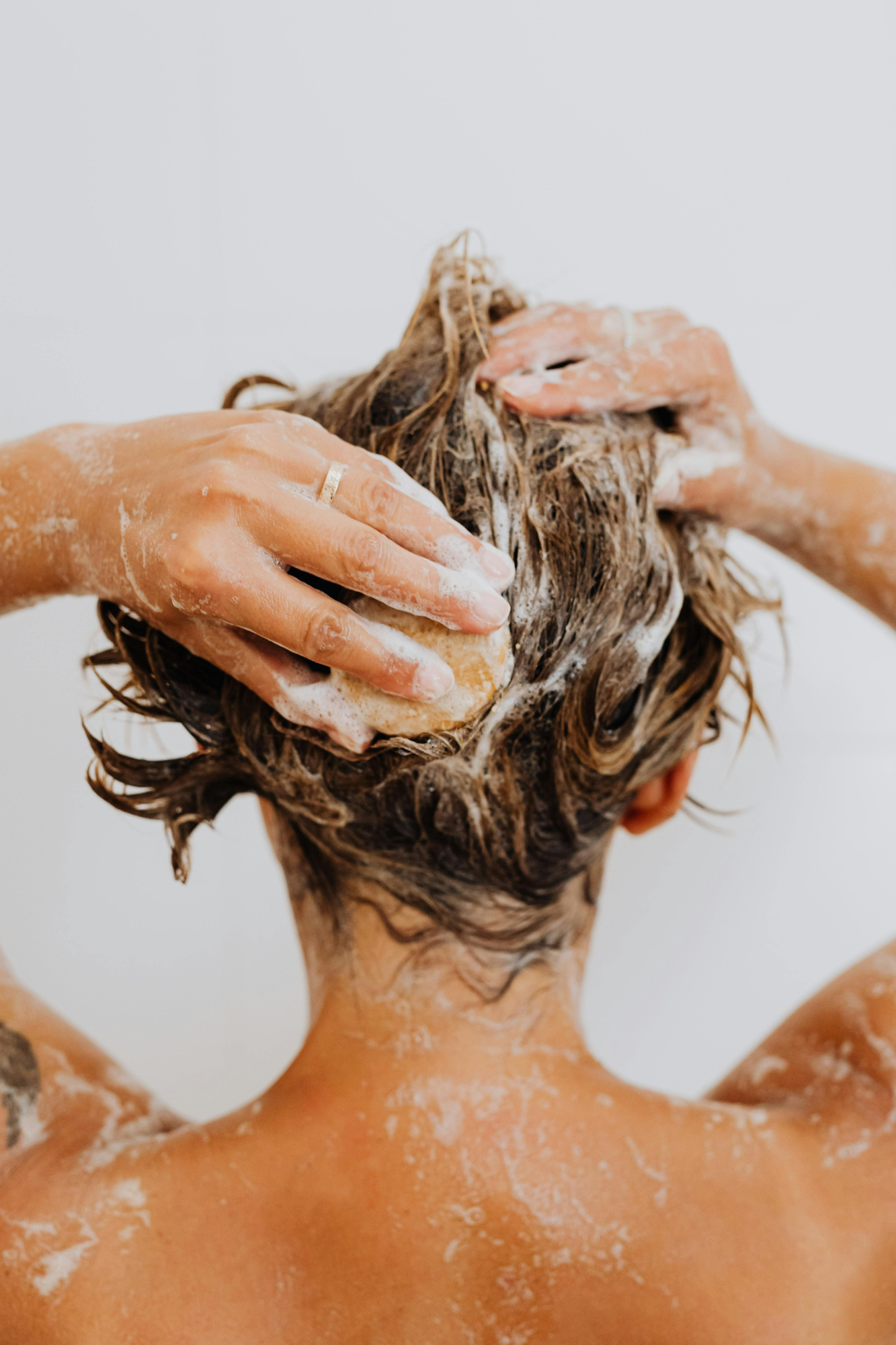
Step Two: Apply liberal amounts of your natural detox shampoo with Activated Charcoal. Fully saturate your hair from scalp to ends of hair.
Step Three: Leave on your hair for 3-15 minutes. This will depend on if you're just removing one swim session or a whole season of swimming unprotected hair in Chlorine hair.
Professional Recommendation: Ocean Rush Detox Shampoo | Kind Sol

How To Repair Your Hair from Chlorine Damage
Restoring your hair's hydration to a healthy state of condition after exposed to Chlorine requires a proactive approach to reverse dry, brittle, and frizzy locks. To effectively fix swimmers pool damage immediately wash your hair with the mentioned detox shampoo to remove chlorine buildup and neutralize the chemical odor.
Rehydrate parched hair strands by applying a deep conditioning mask with nourishing oils, such as argan and coconut oil to restore essential moisture and elasticity to your hair. For added hydration apply a leave-in conditioner mid-shaft to ends to keep moisture lock into your hair follicles.
Professional Recommendations: Combine these three mega hydrating products after your exposure to Chlorine
Solstice Repair Treatment | Kind Sol Haircare infussed with Tallow, Coconut Oil
Solar Guard Protective Spray | Kind Sol Haircare enriched with Aloe Vera
Solstice Healing Oil | Kind Sol Haircare natural cold pressed Argan Oil
Final Thoughts
Swimming should never come at the cost of your hair health. Chlorine damage is incredibly common, but the good news is that it's also highly preventable with the right rituals. A few simple steps before and after swimming can keep your hair hydrated, resilient, and vibrant all season long. As I often remind my clients; protecting your hair is much easier than repairing it. Treat your strands with care before diving in, and your hair will thank you long after the pool day ends.

Leave a comment
This site is protected by hCaptcha and the hCaptcha Privacy Policy and Terms of Service apply.