

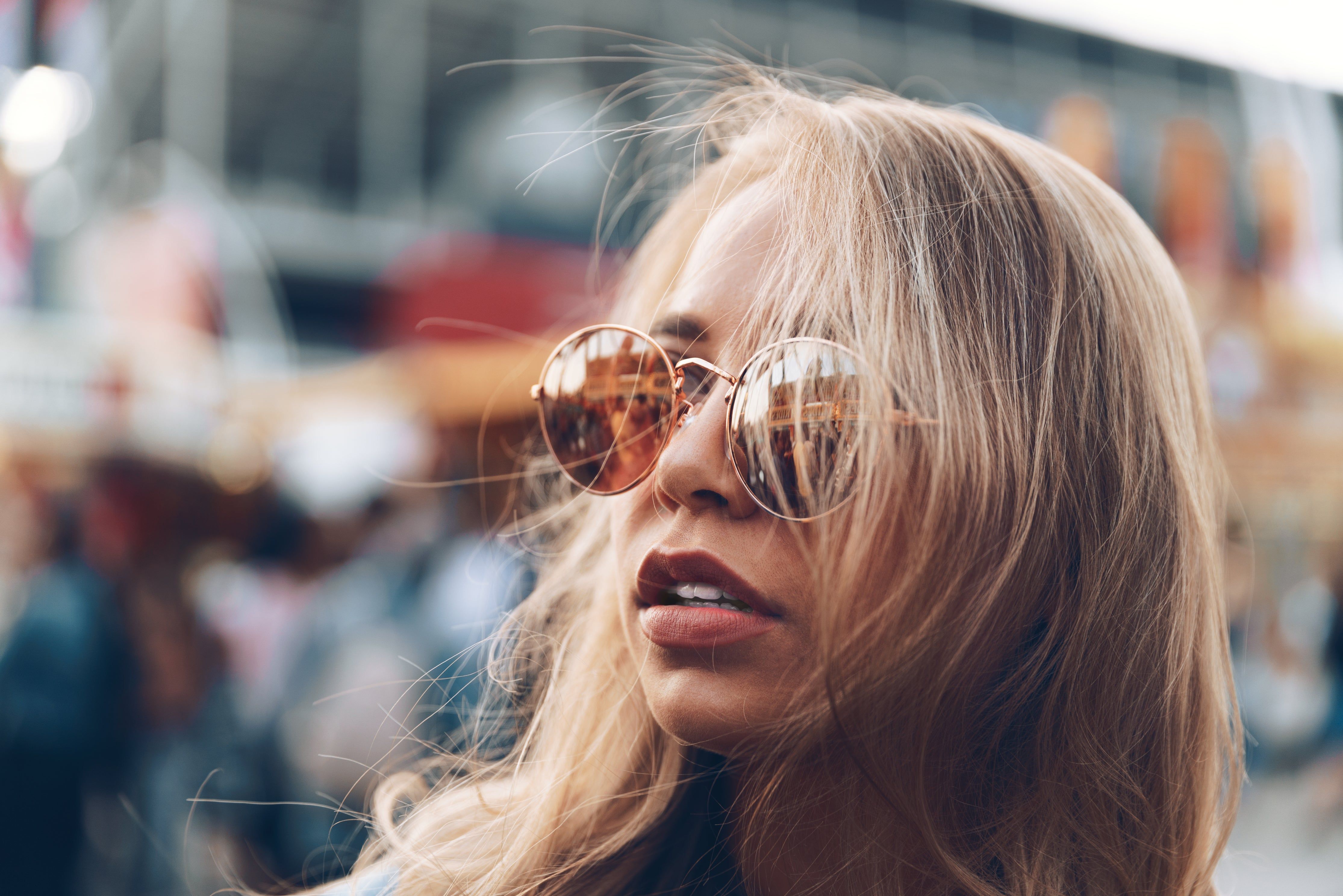
Fine, Limp Hair: A Complete Guide to Volume, Movement, & Care
Fine hair refers to the diameter of each strand - not how much hair you have. When the strands are small in circumference, they tend to collapse easily, making hair appear flat, limp, and lacking body. This texture is naturally soft and silky, but also more fragile and sensitive to environment and product buildup.
How Fine Hair Reacts to Climate
Dry Air climates: Hair becomes static-prone and can appear wispy or flyaway, often lacking cohesion and shine.
Heat & Sun Exposure: UV exposure weakens already delicate strands, causing dryness and loss of elasticity- making styling even harder to hold.
Humidity: Fine hair absorbs moisture quickly, causing strands to swell and loose its structure. This leads to flat roots and frizz at the ends of your hair.
How Fine Hair Reacts to Products
Fine hair is easily weighed down. Heavy creams, oils, and butters can coat the strand, removing lift and movement. If the product is to heavy, it leaves the hair feeling greasy, flat, and separated ends. If the product is too light your hair will experience static, frizz, and lack of control. Fune hair is prone to build up and requires regular, gentle cleansing to maintain bounce. The goal for fine hair texture lightweight hydration and structure without residue.
How to Build Volume, Body & Movement
Clean Foundation + Volume = Fine hair needs frequent, gentle cleansing to remove oil and buildup that flatten the root.
Root-Focused Strategy = Volume starts at the scalp. Use root lifting sprays or mousses applied to damp roots only
Precision Conditioning= Keeping conditioner away from the scalp. Focus only on the ends to avoid collapse.
Blow-Dry Technique Matters;
~ Lift hair upward or flip upside down.
~ Use a round brush for tension and shape.
~ Direct airflow at roots first, then mis-lengths.
Texture Over Heavy Weight Styling = Use dry texture sprays or light sea salt sprays to create separation and movement without heaviness.
Styling Fine Hair (Men & Women)
For Women:
~ Blunt cuts can make ends look fuller, while soft layers add movement.
~ Loose waves or bends create the illusion of density.
~ Avoid over thinning or excessive layerering.
For Men:
~ Textured crops or shorter sides with volume on top enhance fullness.
~ Use matte, lightweight styling products for natural lift.
~ Blow drying is key for structure - air drying often falls flat.

Pro-Stylist Insights
Fine hair benefits from protein in moderation to strengthen the structure - but too much can make it stiff and brittlehich could cause breakage.
Sleeping on silk or satin pillowcases reduces friction while you sleep and reduces breakage.
Over brushing can collapse natural volume and spread oil throughout your strands and weigh your hair down.
Sidebar: Could It Be Thining?
Fine hair can naturally appear less full - but watch for signs of actual thining:
~ More visible scalp, especially at the crown or part line.
~ Noticeable increase in shedding.
~ Hairline recession or widening part.
~ Loss of volume in ponytail or overall density.
Common Triggers: Hormonal changes, stress levels, nutrient deficiencies, heat damage, or genetics plays a major roll of what your hair density and hair follicles are going through.
Final Thoughts
Fine hair requires a strategic, lightweight approach. When you focus on scalp health, controlled hydration, and intentional styling, you can transform limp strands into the hair that feels fuller, more dynamic, and effortlessly voluminous.

Leave a comment
This site is protected by hCaptcha and the hCaptcha Privacy Policy and Terms of Service apply.