

Article: Curly & Wavy Hair Care: Embrace Your Natural Texture for Healthier, More Defined Hair
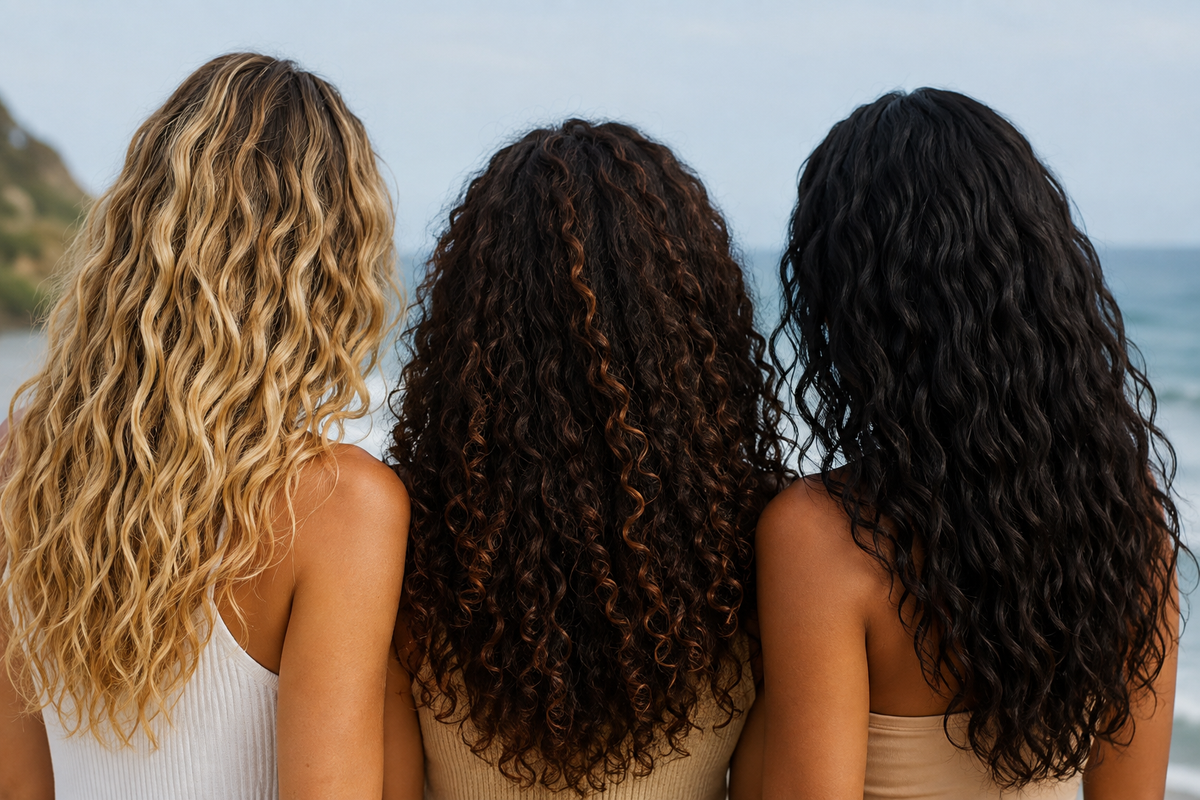
Curly & Wavy Hair Care: Embrace Your Natural Texture for Healthier, More Defined Hair
- Your Natural Texture Doesn't Need to Be Tamed
- First: What's the Difference Between Wavy & Curly Hair?
- Why Curly & Wavy Hair Tends to Feel Drier
- The Hydration Trap: More Isn't Always Better
- 7 Signs Your Curly or Wavy Hair Needs a Reset
- What NOT to Do with Curly & Wavy Hair
- Why Your Curl Pattern May Suddenly Look Different
- Wavy Hair Needs Different Care Than Curly Hair
- Curly Hair Often Needs More Moisture
Curly and wavy hair has a natural rhythm all on its own, full of movement, texture, and sometimes a little unpredictability. Instead of fighting frizz, flattening waves, or forcing curls into perfection, healthier hair begins with understanding what your natural texture actually needs. From proper hydration and gentle cleansing to buildup removal, environmental protection, and lightweight styling, the right ritual can help bring out softer, more defined, touchable curls and waves. At Kind Sol Haircare, we believe your natural texture isn't something to tame - it's something to nourish, protect, and embrace.
Your Natural Texture Doesn't Need to Be Tamed
For years, curly and wavy hair was often treated as something that needed to be controlled. straightened, smoothed or fixed. We see it differently; Natural texture is movement. It's personality. It's the way your hair responds to your environment, your routine and even the weather around you. The goal shouldn't always be to force every strand into the sameness perfectly polished pattern. Sometimes healthier hair begins when you stop fighting what your hair naturally wants to do.
At Kind Sol Haircare, we believe in working with your hair. Whether your texture forms loose beachy waves, defined s-shaped patterns, spirals or a combination of several textures, understanding what your hair actually needs can make the difference between curls that feels soft, hydrated, touchable and alive.
Here's how to build a ritual around your natural texture.
First: What's the Difference Between Wavy & Curly Hair?
Hair texture exists on a spectrum.
Wavy Hair: Generally, forms loose s-shaped bends rather than complete spirals. It can range from barely-there movement to strong, defined waves that almost resemble curls.
Curly Hair: Forms more pronounced loops, spirals, or ringlets. Curl size can vary dramatically, and it's completely normal to have several different curl patterns on one head.
But curl type alone doesn't tell you everything you need to know. Two people with similar looking curls may need completely different products because their hair differs in density, chemical history, and environmental exposure. Instead of obsessing over your curl number, start paying attention to how your hair behaves.
Does it absorb product immediately?
Does water seem to sit on the surface?
Does it become weighed down easily?
Does it constantly feel dry?
Does it loose definition by the end of the day?
Does it become frizzy whenever humidity changes?
Those clues can tell you more about what your hair needs than a curl chart alone.
Why Curly & Wavy Hair Tends to Feel Drier
One of the most common complaints we hear about textured hair is dryness. There's a reason:
The natural oils produced by your scalp can travel relatively easily down straight hair. With waves and curls, those oils have to navigate every bend and spiral along the strand. The curlier the hair becomes, the more difficult that journey can be. That means the mid-lengths and ends may receive less natural lubrication, leaving them more vulnerable to: Dryness, frizz, tangling, breakage, dullness, rough texture, split ends, and loss of curl definition.
This is why hydration is foundational to a healthy curl ritual. But more products isn't always the answer.
The Hydration Trap: More Isn't Always Better
When curls feel dry, it's tempting to layer on conditioners, oils, creams, and masks. Sometimes that works, sometimes it creates an entirely different problem; buildup.
Too much product can coat the hair and prevent your natural pattern from moving freely. Waves may become limp, curls may stretch out, roots can look flat while ends somehow still feel dry. You may start thing your products have "stopped working"
This is why healthy natural texture requires a balance between hydrating and resetting. Your curls need moisture, they also need room to breathe.

7 Signs Your Curly or Wavy Hair Needs a Reset
Step 1: Cleanse Your Scalp - Not Just Your Hair
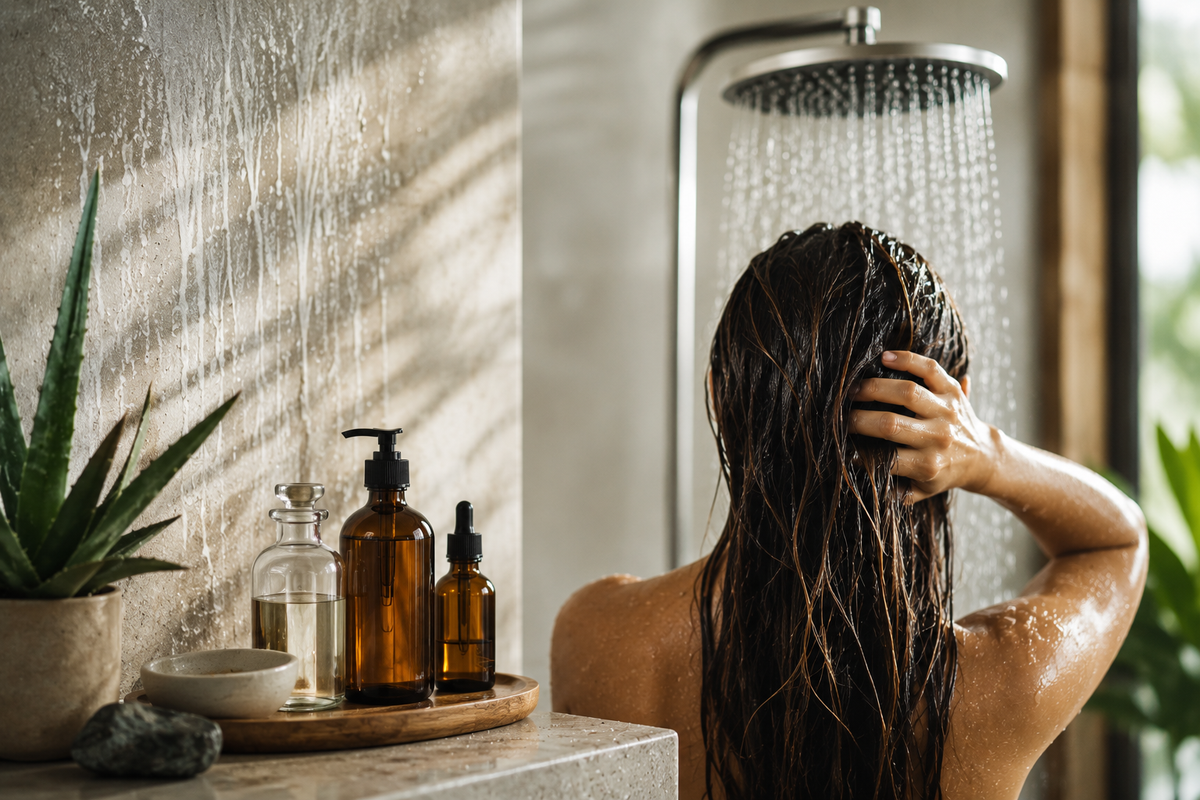
Healthy looking curls begin at the scalp. When shampooing, concentrate primarily on your scalp rather than aggressively scrubbing the entire length of your hair. Massage gently with your fingertips and allow the cleanser to move through your lengths as you rinse.
Avoid piling your curls on top of your head and rubbing them together. That can increase tangling and unnecessary friction.
How often should you wash? There isn't one universal answer. Your ideal schedule depends on scalp oil production, hair density, strand thickness, exercise, styling products, climate, swimming or surfing, how quickly buildup develops. Your scalp should ultimately help determine your washing schedule - not a rule from social media.
Step 2: Hydrate Without Smothering Your Texture
Curly hair often benefits from richer conditioning, while finer waves usually require a lighter hand. The objective is softness with movement.
After shampooing, distribute conditioner primarily through your mid lengths and ends. This is also a good time to gently untangle. Start at the ends and gradually work upward rather than pilling a brush or comb directly from your roots through tangled hair.
Kind Sol Ritual: For hair craving deeper moisture, incorporate Solstice Repair Treatment into your ritual. It's rich conditioning approach is especially useful when curls have been exposed to sun, saltwater, heat styling or dry environments.
Step 3: Style While Your Hair Is Still Wet
This small change can completely transform natural texture. Curly and wavy hair often responds beautifully when styling products are applied while there's still plenty of water in the hair.
Water helps distribute product. Instead of aggressively towel drying first, experiment with applying your styling products to wet or very damp hair. Then encourage your natural pattern by: Scrunching upward toward the scalp, gently twisting individual sections that need encouragement, using a microfiber towel or soft cotton t-shirt to remove excess water, air drying, diffusing gently when needed. Once your curls begin drying, stop touching them. Consistently running your fingers through drying curls can separte the curl groupings and contribute to frizz.
Step 4: Choose Styling Products Based on Your Desired Finish
Not everyone wants perfect ringlets, and that's okay. Some people want soft waves, some want volume, some want definition, some want deliberately undone beach texture. Some just want their natural hair to look like itself - only better.
For Soft, Natural Definition
A styling cream can help encourage separation and softness without creating an overly styled appearance.
Sunset Styling Cream, made with flaxseed, is a beautiful option when you want soft definition, touchable movement and effortless finish.
Start small, you can always add more product, but removing too much product usually means starting wash day all over again.
For More Texture and Movement
For naturally wavy hair that loves a more lived in coastal finish, Rebel Reef Surf Spray can help enhance movement and texture. This is especially useful for hair that naturally wants to wave but tends to fall flat. The objective isn't stiff, crunchy hair. it's movement.
Step 5: Don't Be Afraid of a Little Frizz
This might be one of the most important lesions in embracing natural texture. Frizz isn't automatically damage. A certain amount of frizz is completely normal with textured hair. Hair moves, humidity changes, individual strands separate from curl groupings. Your curls don't have to look identical to be healthy.
Trying to eliminate every single flyaway can lead to excessive product layering, heat styling and manipulation - the very things that eventually make natural texture more difficult to manage. Instead aim for: Softness+ definition + movement + healthy looking shine, not perfection.
Step 6: Protect Your Curls From the Elements
Natural texture doesn't exist in a controlled environment. Your hair experiences the same world you do. The sun, wind, ocean water, pool water, sweat, dry air, humidity, heat and each can influence the way your curls behave. This is especially important during summer or for anyone living an active outdoors lifestyle.
Before extended environmental exposure, consider using a protective leave-in conditioning product.
Kind Sol Solar Guard Protective UV Leave-in conditioner spray combines aloe vera with a protective ingredient to help make environmental protection part of your everyday hair ritual. Think of protection as preventative haircare. It's much easier to protect healthy hair than continually try to restore severely stressed ends.
Step 7: Use Oil Strategically
Oil and moisture are often talked about as though they're the same thing. They're not, hair oil can be incredibly useful for adding softness, reducing the appearance of dryness and finishing curls - but not pouring more oil onto dehydrated hair isn't necessarily going to solve the underlying problem.
That's why we prefer using oil strategically.
After your curls are completely dry, warm a very small amount of Solstice Healing Oil between your palms and gently smooth it over the ends or scrunch it through areas that need extra softness and shine. With oils, especially on fine waves; less is usually more.
What NOT to Do with Curly & Wavy Hair
Sometimes improving your texture isn't about adding another product, it's about removing habits that work against your hair.
Don't Rough Dry with a Traditional Towel
Aggressive rubbing creates friction and can disturb curl formation. Instead, gently squeeze excess water using a soft t-shirt or microfiber towel.
Don't Brush Dry Curls Repeatedly
Brushing textured hair once it's dry can separate curl groupings and create significant volume and frizz. Unless that's the look you're going for, detangle when your hair has slip from water or conditioner.
Don't Automatically Reach for Heavy Products
More moisture isn't always better. Fine wavy hair can quickly become overwhelmed by heavy creams, oils, and butters. Start with less and build only where necessary.
Don't Ignore Your Scalp
Your ends may get all the attention, but healthy haircare begins at the scalp. Sweat, oil and product residue shouldn't be allowed to accumulate indefinitely simply because you have curly hair.
Don't Use High Heat Every Day
Constant straightening or high temperature styling can gradually alter how naturally textured hair behaves. If your goal is to embrace your natural hair pattern, give your hair opportunities to exist without heat.
Why Your Curl Pattern May Suddenly Look Different
If your hair doesn't curl the way it used to, don't immediately assume you've "lost" your curls. Natural texture can appear different because of; product buildup, mineral buildup from hard water, chemical processing, bleaching or coloring, heat damage, environmental exposure, excessively heavy styling products, changes in hair length, changes in your daily routine, and mechanical damage and breakage,
Longer hair can also appear less curly simply because its own weight stretches the pattern. Before completely changing your routine, consider simplifying it and giving your hair proper reset.

Wavy Hair Needs Different Care Than Curly Hair
One mistake we see frequently is treating wavy hair exactly like very curly hair. Fine or medium wavy hair often needs less product. Too much conditioner, oil, and styling cream can stretch waves until they're almost invisible. If your waves disappear shortly after styling, experiment with:
- Using less conditioner
- Applying less styling cream
- Concentrating conditioner on the ends
- Avoiding heavy oils near the roots
- Allowing your hair to air dry without touching constantly touching it
Bonus: Sometimes your waves don't need another product, they need less weight.
Curly Hair Often Needs More Moisture
More pronounced curls tend to experience greater dryness through the lengths and ends. These textures may benefit from: more consistent conditioning, periodic deep hydration, gentle untangling, protective leave-in products, small amounts of finishing oil, reduced heat exposure, and less manipulation between washes.
Pay particular attention to your ends. They're the oldest part of your hair and have experienced the most washing, styling, sunlight, weather, and mechanical stress.
Your Environment Is Part of Your Hair Routine
This is something we talk about often at Kind Sol. You can't completely separate haircare from lifestyle. If you surf three mornings a week, your routine should reflect that.
If you swim in chlorinated pool, your routine should reflect that.
If you exercise every day and sweat heavily, your cleansing schedule should reflect that.
If you live somewhere with hard water, your routine may need to account for mineral accumulation.
The best hair rituals aren't necessarily the trendiest one; it's the one built around your actual life.

A simple Kind Sol Natural Texture Ritual
For curly or wavy hair, your ritual doesn't need twelve steps.
CLEANSE: Use Solstice Repair Shampoo for regular cleansing ritual.
RESET: Bring in Ocean Rush Detox Shampoo periodically when buildup, sweat, styling products or environmental exposure leave hair feeling heavy.
HYDRATE: Use Solstice Repair Treatment when curls need deeper conditioning and softness.
PROTECT: Apply Solar Guard Protective UV Leave-In Spray before every style and heading into the elements.
STYLE: Work a small amount of Sunset Styling Cream through damp hair for soft, natural definition, or use Rebel Reef Surf Texture Spray when you want more movement and beach inspired texture.
FINISH: Use a small amount of Solstice Healing Oil to restore hydration to dry ends when additional softness and shine are needed.
The key isn't using every product every day; it's learning what your hair is asking for.
Frequently Asked Questions About Curly & Wavy Hair

Stop Fighting Your Hair. Start Understanding It
Your natural texture doesn't need to look exactly the same every day. That's part of what makes it natural. Some days your waves will be loose and effortless. Other days they'll have more texture. Your curls may respond differently after a humid morning, an ocean swim, or a dry winter day.
Healthy hair isn't about forcing it into perfect submission; it's about understanding what it needs. Cleanse when there's buildup. Hydrate when there's dryness. Protect before exposure. Style with intention, and give your natural texture room to move.
At Kind Sol Haircare, our philosophy is rooted in simple, intentional haircare inspired by nature and designed for real life - from sun and salt to sweat, wind and everything in between. Sometimes the best thing you can do for your hair is stop trying to make it something else. Embrace the wave, let the curls move, and nourish with nature.
Find Your Kind Sol Hair Ritual
Not sure what your curls or waves actually need?
Take the Kind Sol Haircare "Find Your Perfect Ritual" quiz to discover products based on your hair texture, goals, styling habits, and lifestyle.
Your texture is already yours. Your ritual should be too.


Leave a comment
This site is protected by hCaptcha and the hCaptcha Privacy Policy and Terms of Service apply.